
District Monthly Update
October 2026


North of River Sanitary District Participates in the 9th Annual NOR Fall Festival
On Saturday October 10, the North of River Sanitary District had the opportunity to participate in the 9th Annual NOR Fall Festival. This was our first time participating in the event as we continue to expand our public outreach efforts and strengthen our connection with the community we serve.
It was a wonderful experience to meet and interact with our customers, community members, and fellow community partners. Events like the NOR Fall Festival provide a great opportunity for us to connect with our community, share information about the important services we provide, and learn more about the people we serve.
We are grateful to everyone who stopped by to visit with us and to the organizers and community partners who made this event possible.
We look forward to continuing to be involved in our community and building strong relationships with those we serve!
___________________________________________________________________________________________________________________________
September 2026
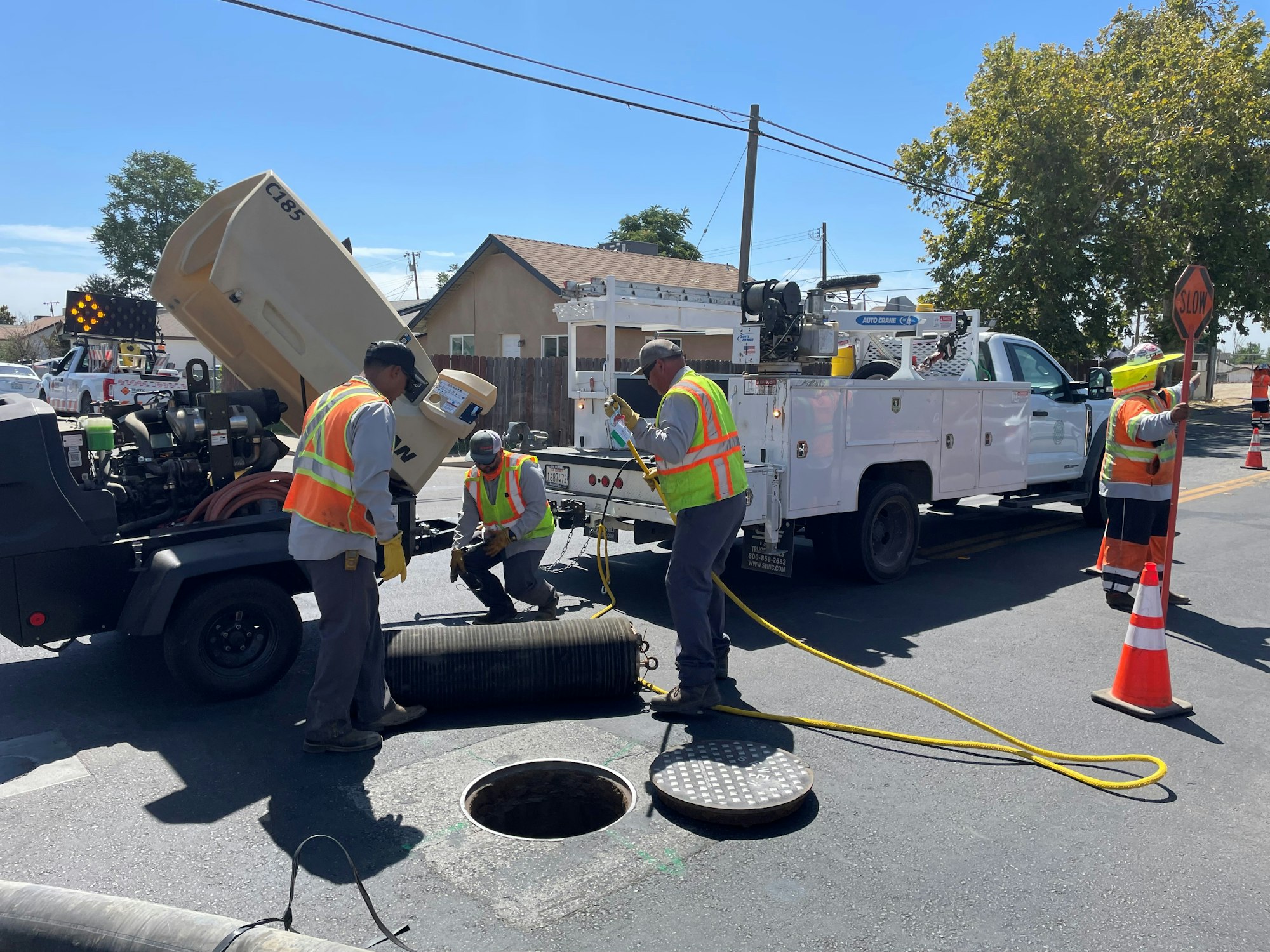
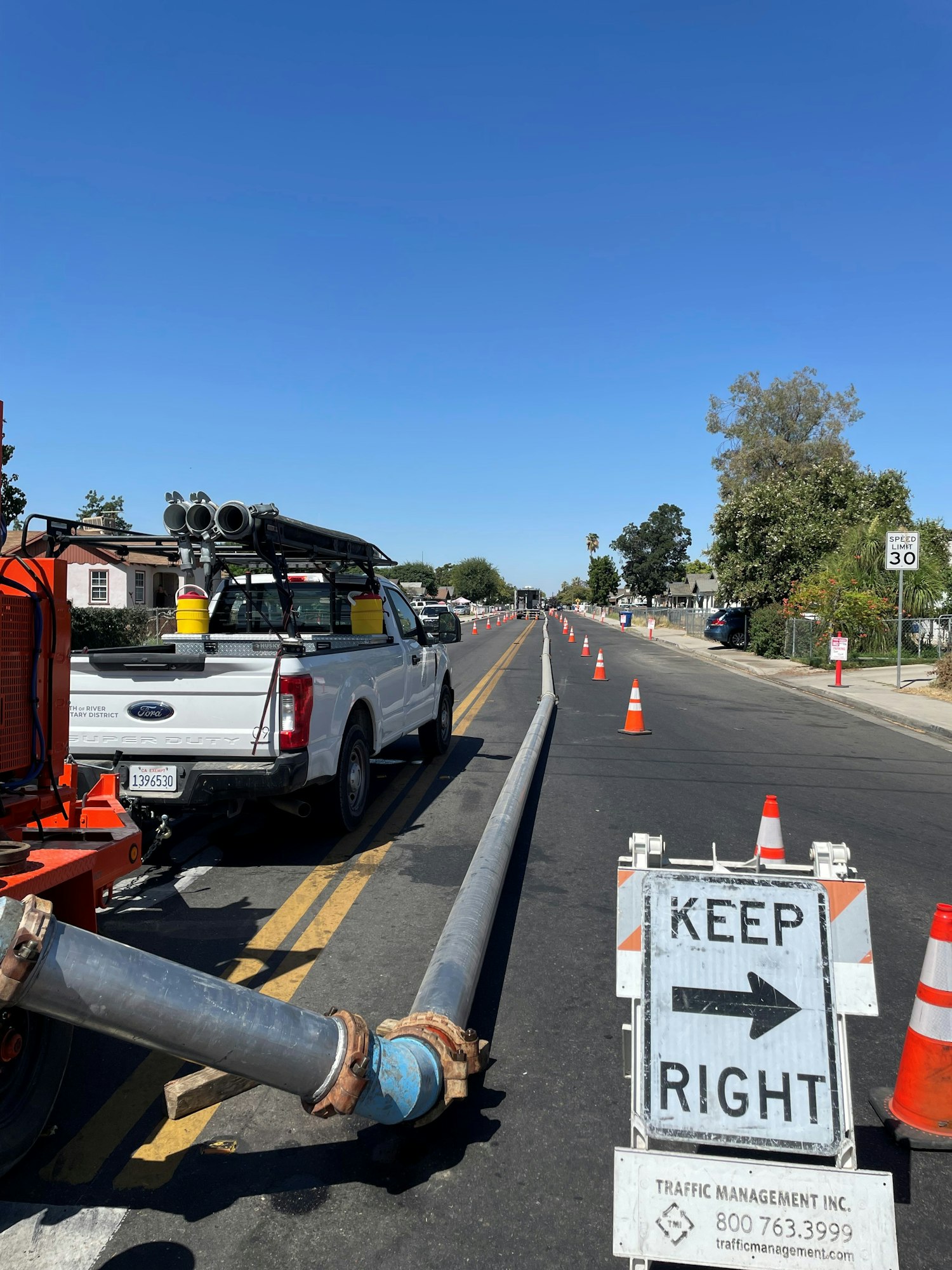
The North of the River Sanitary District recently completed a video inspection of the sewer main along Decatur Street as part of its ongoing preventive maintenance program. The sewer line, originally installed in approximately 1950, is one of the older segments of the district’s wastewater collection system.
The inspection was performed to evaluate the condition of the pipeline and identify any areas that may require future maintenance or rehabilitation. By proactively assessing aging infrastructure, the district can address potential issues before they develop into service disruptions, helping to maintain the reliability and long-term performance of the sewer system.
The district appreciates the cooperation and patience of residents during the temporary traffic control measures that were necessary to safely complete the work. Maintaining and evaluating critical infrastructure remains an important part of the district’s commitment to protecting public health and providing dependable wastewater services to the community.
__________________________________________________________________________________________________________________________
AUGUST 2026

NORSD and The City of Bakersfield have expanded their grease collection event to a year-round program, providing Bakersfield residents a safe option for disposing cooking oil and grease.
Until further notice, Bakersfield residents may drop off used cooking oil and grease at three locations between 8 a.m. and 3 p.m. each day, Monday through Friday (except for holidays). The drop-off locations are:
· The City’s Wastewater Treatment Plant 3 (6901 McCutchen Road);
· The North of the River Sanitary District main office (204 Universe Avenue);
· and at Kern UCO (4031 Alken St Ste A5).
Residents are asked to collect their used cooking oil and grease in sealed containers before dropping it off at the locations. There is no charge to dispose of used cooking oil and grease.
Disposing of used cooking oil and grease down residential drains can result in clogged pipes and other damage, resulting in backups and costly repairs.
NORSD and the City previously only offered disposal options during its annual Holiday Grease Collection event held between Thanksgiving and the first week of January.
_______________________________________________________________________________
JULY 2026

The North Of River Sanitary District (NORSD) is officially accepting construction bids for its upcoming wastewater treatment plant expansion and upgrade. Following five years of meticulous engineering design and preparation, this major infrastructure milestone marks the district’s largest Project to date.
Once construction concludes over the next several years, the newly transformed Water Resource Recovery Facility (WRRF) will deliver:
- Expanded Capacity: Ability to process an average daily sewage flow of 10 million gallons.
- Environmental Protection: Advanced treatment that reduces effluent nitrate levels to well below 10 mg/l.
- Flexibility: The ability to treat a more concentrated wastewater resulting from community water conservation efforts.
This vital project ensures NORSD can support local population growth, safeguard regional groundwater, and open new doors for sustainable resource reuse.
_______________________________________________________________________________
JUNE 2026


NORSD maintains the community’s sewer pipelines through a process known as “jetting” or “flushing.” This involves pressure-washing the interior of the pipelines to remove accumulated debris such as rags, grease, and grit.
The work is performed through manholes located throughout the sewer system, many of which are situated in busy streets and high-traffic areas. To reduce disruptions to motorists, operators strategically schedule certain flushing activities at night, focusing on specific roadways and intersections when traffic volumes are significantly lower.
Conducting this work during nighttime hours enables operators to efficiently maintain the sewer system while minimizing impacts on traffic and continuing to provide reliable service to the community.
_______________________________________________________________________________
May 2026

Sewer Permit Process Overview and Its Importance
A Sewer Permit is required for any improvement, repair, or new connection to the District’s sewer system. This permit ensures that all work meets District standards, protects public health, and maintains the integrity of the community’s wastewater infrastructure. The process is designed to verify that new or modified sewer connections are safe and built to prevent failures that could lead to contamination, property damage, or environmental harm.
How the Permit Process Works
The permit process begins when applicants submit plans for District review. These plans allow the District to determine the correct capacity fees and confirm that the proposed work aligns with system requirements. After plans are reviewed, applicants complete the Sewer Permit Application and pay the applicable fees, which may include the permit fee, capacity fee, and line charges.
Once the District issues the permit, the applicant may proceed with construction. When the work is complete, the applicant must request a sewer inspection. A District inspector then verifies that the installation meets District standards. The permit is only considered complete after the inspection is approved.
Why the Permit Matters
The Sewer Permit is more than a formality—it is a safeguard for the entire community. By requiring permits:
- Public health is protected through proper wastewater handling and prevention of sewage leaks or contamination.
- Infrastructure integrity is maintained, ensuring the sewer system can handle new connections without overloading or damaging existing lines.
- Illegal or unsafe connections are prevented, reducing the risk of system failures and costly emergency repairs.
- Property owners are protected from penalties, violations, and future liability associated with unpermitted work.
District Ordinance 1.09 prohibits constructing or connecting to the sewer system without an approved permit. Unauthorized connections can result in penalties.
How This Supports Public Safety
Every approved permit and inspection helps ensure that wastewater flows safely away from homes and businesses, preventing exposure to harmful pathogens and protecting both groundwater and surface water. By enforcing consistent standards, the District ensures that the sewer system remains reliable, resilient, and capable.
_______________________________________________________________________________
April 2026


At the North of River Sanitary District Wastewater Treatment Plant, we are committed to protecting local water resources while supporting agriculture. Everything we treat at our facility—both water and solids—is carefully recycled and safely reused through land application in our permitted reclamation area, following California waste discharge requirements (WDR).
Each day, about six million gallons of treated wastewater—called secondary effluent—are sent to storage ponds. Every week, the treatment process also produces just under 300,000 pounds of biosolids. Rather than disposing of these materials, we put them to productive use in our reclamation program.
Our reclamation area covers more than 1,000 acres of farmland, not including the land the treatment plant itself sits on. Three types of crops are grown on these fields: alfalfa, silage corn, and silage wheat. All of these crops are used as livestock feed. The crops are irrigated with recycled secondary effluent, which is rich in nutrients and provides a reliable water source while helping conserve freshwater supplies.
Only select fields receive Class B biosolids, which are a renewable, compost‑like material produced at our treatment plant. These biosolids are managed under an approved nutrient management plan and meet all federal requirements. They are applied at safe, carefully calculated rates that match the nutritional needs of the crops, helping protect soil and groundwater.
By recycling water and nutrients locally, our reclamation program reduces waste, supports sustainable farming, and helps close the loop between water treatment and food production—benefiting both the environment and the surrounding community.
_______________________________________________________________________________
March 2026

Our environmental wastewater laboratory specializes in analyzing water for process control and to ensure it is safe, clean, and compliant with state and federal regulations. We focus on inorganic testing—meaning we measure things like nutrients, minerals, and other non‑carbon‑based substances commonly found in wastewater. These tests help identify potential contaminants and verify that treatment processes are working properly before water is released back into the environment.
We are proudly TNI accredited, which means our laboratory meets strict national standards for testing quality, accuracy, and scientific integrity. This accreditation ensures that every result we produce is reliable and follows rigorous procedures recognized across the industry. Whether we are testing for our process control or our state reporting requirements, our goal is the same: to support environmental protection, public health, and responsible water management through trustworthy laboratory science.
_______________________________________________________________________________
January 2026

The North of River Sanitary District is pleased to share an update on our ongoing Wastewater Treatment Plant expansion and improvement efforts.
This month, our District received the 100% design drawings and technical specifications from our consultant Woodard & Curran, marking a major milestone in the project’s progression. These finalized documents outline the full scope of planned upgrades and will guide the next phases of construction procurement.
Our Administrative team and Wastewater Treatment Plant Operations staff are currently conducting a comprehensive review of the materials. To ensure a thorough and high-quality evaluation, we are also partnering with our engineering consultant AECOM, who is providing additional technical review and verification.
We anticipate completing the full document review by February 6, 2026. Once all comments are resolved and the bid package is finalized, the project is expected to be advertised for public bidding in April or May 2026.
We will continue to keep our community informed as the project advances toward construction. Thank you for your ongoing support as we work to enhance the reliability and capacity of our wastewater treatment infrastructure.
